The Case for Artisan (And Against Being Snobby About It)
Let's be honest upfront: supermarket brownies exist for a reason. They're accessible, affordable, consistent, and genuinely fine. This article isn't going to pretend that nobody has ever enjoyed a brownie from a Tesco multipack. They have. It's okay.
But there's a real, substantive difference between a mass-produced, shelf-stable supermarket brownie and a handmade brownie from an artisan bakery — and it's worth understanding what that difference actually is, rather than treating "artisan" as mere marketing language.
At Bournemouth Brownie Company, we make our brownies by hand, in a small bakery in Bournemouth, Dorset, using Callebaut Belgian couverture chocolate and free-range eggs. Here's what that means in practice.
The Ingredient Comparison
Chocolate Quality
Supermarket brownies: typically made with compound chocolate — cocoa powder or cocoa mass blended with vegetable fat (usually palm or sunflower oil) rather than cocoa butter. This is cheaper to produce, has a longer shelf life, and is stable at a wider range of temperatures.
Artisan brownies: made with couverture chocolate — specifically, in our case, Callebaut Belgian couverture, with high cocoa butter content, professional-grade flavour complexity, and none of the mouthfeel compromise that vegetable fat introduces.
The taste difference is significant. Couverture chocolate has a longer, more complex finish and a cleaner melt that compound chocolate simply cannot replicate.
Eggs
Supermarket brownies: allergen declarations typically list "eggs" without specifying provenance. The default in industrial baking is barn or caged eggs.
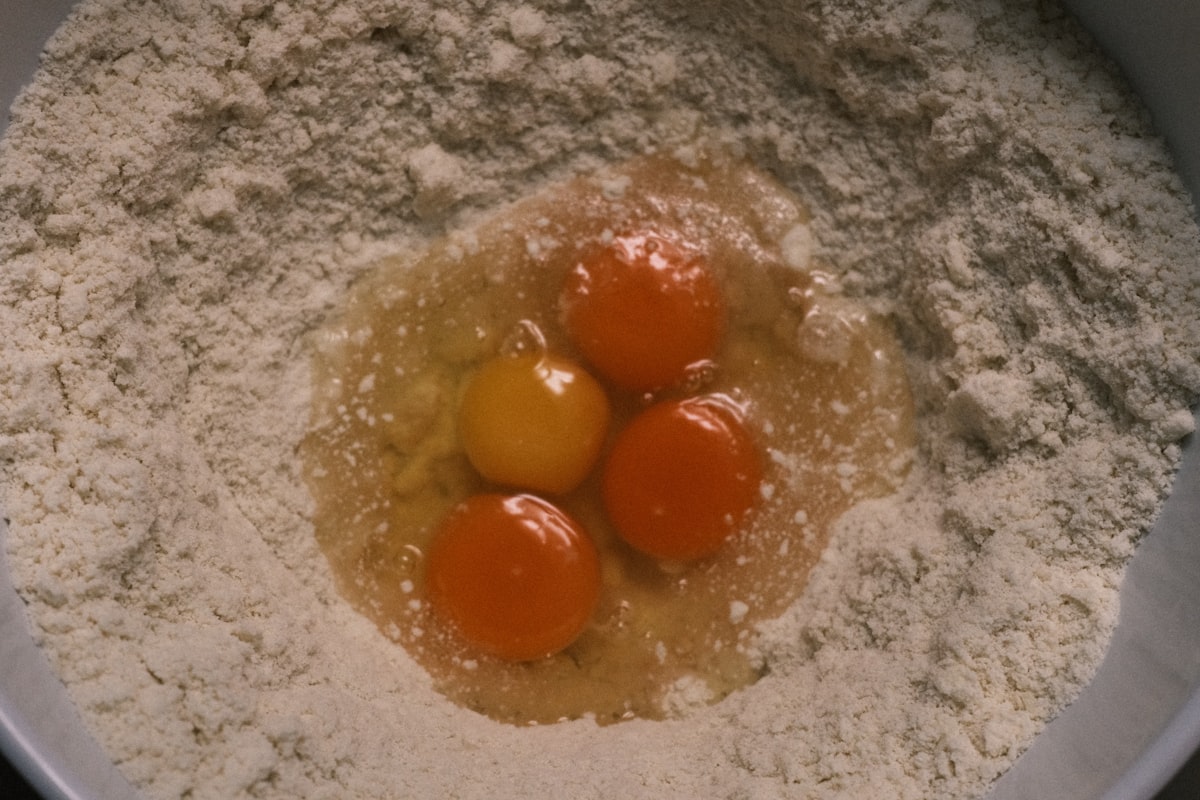
Artisan brownies: we use free-range eggs exclusively — richer yolks, better flavour, better texture, and better welfare standards.
Preservatives and Shelf Life
Supermarket brownies: to achieve the 3–6 week shelf lives common in supermarket products, manufacturers use preservatives, modified starches, and processes that extend stability at the cost of freshness. Packaging is typically modified atmosphere to slow degradation.
Artisan brownies: our brownies have a 7-day shelf life because they don't contain preservatives. They're fresh. That shorter shelf life is a feature, not a limitation.
Fat Type
Industrial brownie production often relies on vegetable shortening or margarine for cost control and stability. Artisan bakers use real butter — the flavour and texture difference is meaningful.
The Texture Comparison
Supermarket brownies are engineered for consistency across millions of units, transported across complex supply chains, and stored for weeks. The texture is typically somewhat cakey — this style survives the production and distribution process better than a deeply fudgy brownie, which is more delicate.
Handmade artisan brownies like ours are maximally fudgy — we optimise the recipe for the best possible eating experience without the constraints of industrial production. The result is denser, richer, and more intensely chocolatey.
The Price Comparison
A supermarket multipack brownie costs roughly £0.30–0.60 per serving. An artisan brownie costs more. This is a real difference and it's worth being honest about.
But the comparison needs context:
- Premium ingredients cost more (Callebaut couverture vs compound chocolate)
- Hand-made production is labour-intensive
- Small-batch baking cannot achieve the economies of scale of industrial production
- Free-range eggs cost more than standard eggs
You're not paying for a brand premium. You're paying for a different product — better ingredients, more care, and a result that tastes genuinely different.
Our Verdict
Supermarket brownies are fine. But once you've had a genuinely handmade brownie made with Callebaut couverture and free-range eggs, the gap is hard to ignore.
Shop our brownie boxes and taste the difference yourself — delivered fresh from Bournemouth, Dorset, to anywhere in the UK. Or build your own box for a personalised selection.