Everyone Loves Brownies. But Where Did They Come From?
The brownie is one of the most beloved baked goods in the world — consumed in enormous quantities across the UK, USA, and beyond, endlessly riffed upon by artisan bakers and home cooks alike. Yet the history of the brownie is surprisingly contested and genuinely fascinating.
At Bournemouth Brownie Company, we think about brownies a lot. So naturally, we've spent some time going back to the beginning.
The Competing Origin Stories
The Palmer House Hotel Theory (Chicago, 1893)
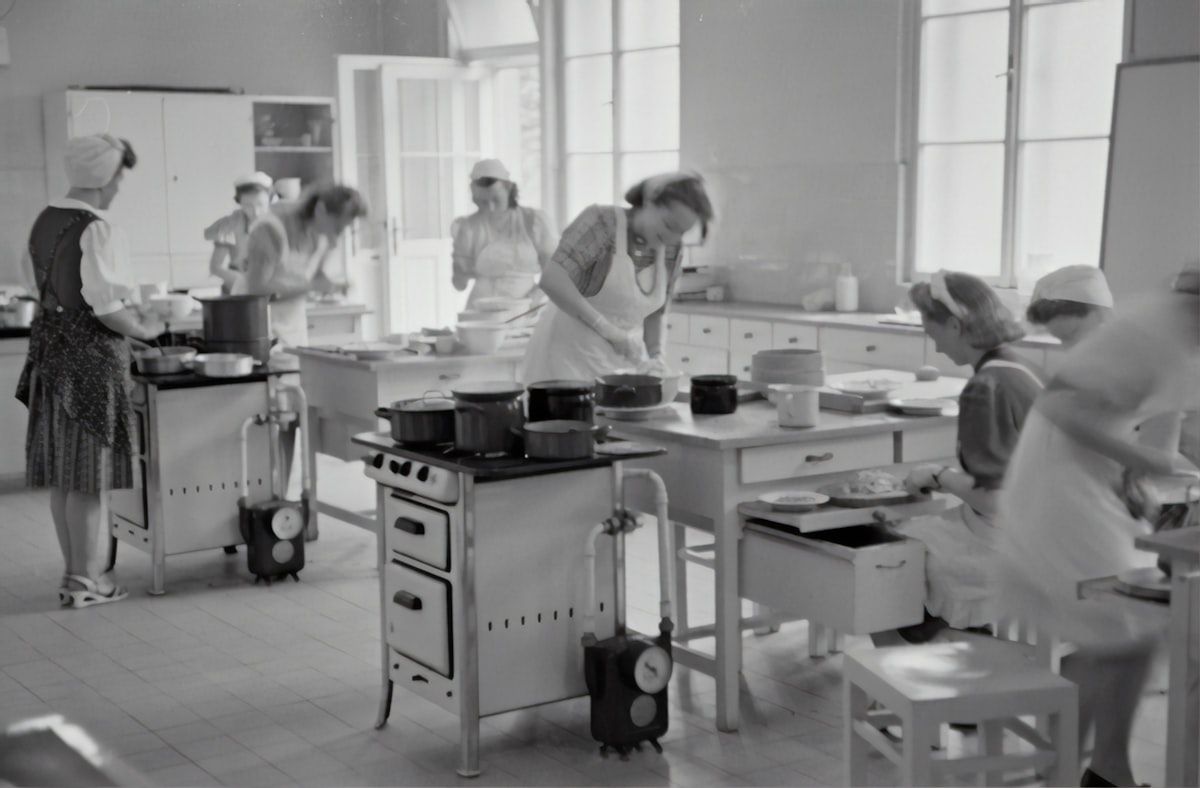
The most widely cited origin story holds that the brownie was invented at the Palmer House Hotel in Chicago for the 1893 World's Columbian Exposition. Bertha Palmer, wife of the hotel's owner, reportedly requested that pastry chefs create a dessert suitable for ladies attending the fair — something that could be eaten from a box lunch without a fork.
The result was a dense, walnut-studded, glazed chocolate square. The Palmer House Hotel still serves what it calls the original brownie recipe today.
This story has the virtue of being early, well-documented, and pleasingly specific. Whether the Palmer House creation directly led to the modern brownie is less certain.
The Sears Catalogue Theory (1897)
Some culinary historians point to a recipe in the 1897 Sears, Roebuck and Co. catalogue as the first published brownie recipe. However, this recipe is closer to a molasses cake than the chocolate brownie we know today — the chocolate-centred definition wasn't yet established.
The Bangor Brownie Theory (Maine, 1900s)
Another claim comes from Bangor, Maine, where a local hotel's cook is said to have accidentally left the baking powder out of a chocolate cake, producing a flat, dense, fudgy result. Rather than discarding it, they served it — and it was apparently well received.
This kind of accidental origin story appears frequently in culinary history (chocolate chip cookies, tarte tatin, Worcestershire sauce) and while romantic, is often impossible to verify.
The First Modern Brownie Recipe
The earliest widely recognised recipe for a brownie resembling what we eat today appeared in the 1906 edition of the Boston Cooking-School Cook Book by Fannie Farmer. This recipe included chocolate and produced something recognisably close to the modern brownie.
The brownie spread rapidly through American home cooking in the early 20th century, cemented by its appearance in major cookbooks, magazine recipes, and eventually its status as a staple of American bakeries and diners.
The Brownie Comes to the UK
Brownies arrived in British baking culture somewhat later, gaining popularity in the latter half of the 20th century as American food culture became more influential globally. The rise of artisan baking in the 2000s and 2010s — driven in part by food television, food blogging, and the growing appreciation for premium ingredients — saw brownies elevated from a school tuck shop staple to a genuinely craft product.
Today, artisan brownie makers like Bournemouth Brownie Company use premium chocolate — specifically Callebaut Belgian couverture — to create brownies that would be unrecognisable to Bertha Palmer's pastry chefs, though we'd like to think she'd approve.
The Modern Brownie: Where We Are Now
The contemporary artisan brownie scene in the UK is thriving. Flavour innovation — Biscoff, salted caramel, Oreo, matcha, tahini — has expanded what a brownie can be while preserving the essential characteristics: dense, fudgy, intensely flavoured.
At Bournemouth Brownie Company, we're proud to be part of this tradition. Read our story to find out how we came to make brownies in Bournemouth, Dorset, or shop the full range and taste the result of more than a century of brownie evolution.
The brownie has come a long way from a Chicago hotel kitchen in 1893. We think it's arrived somewhere rather good.