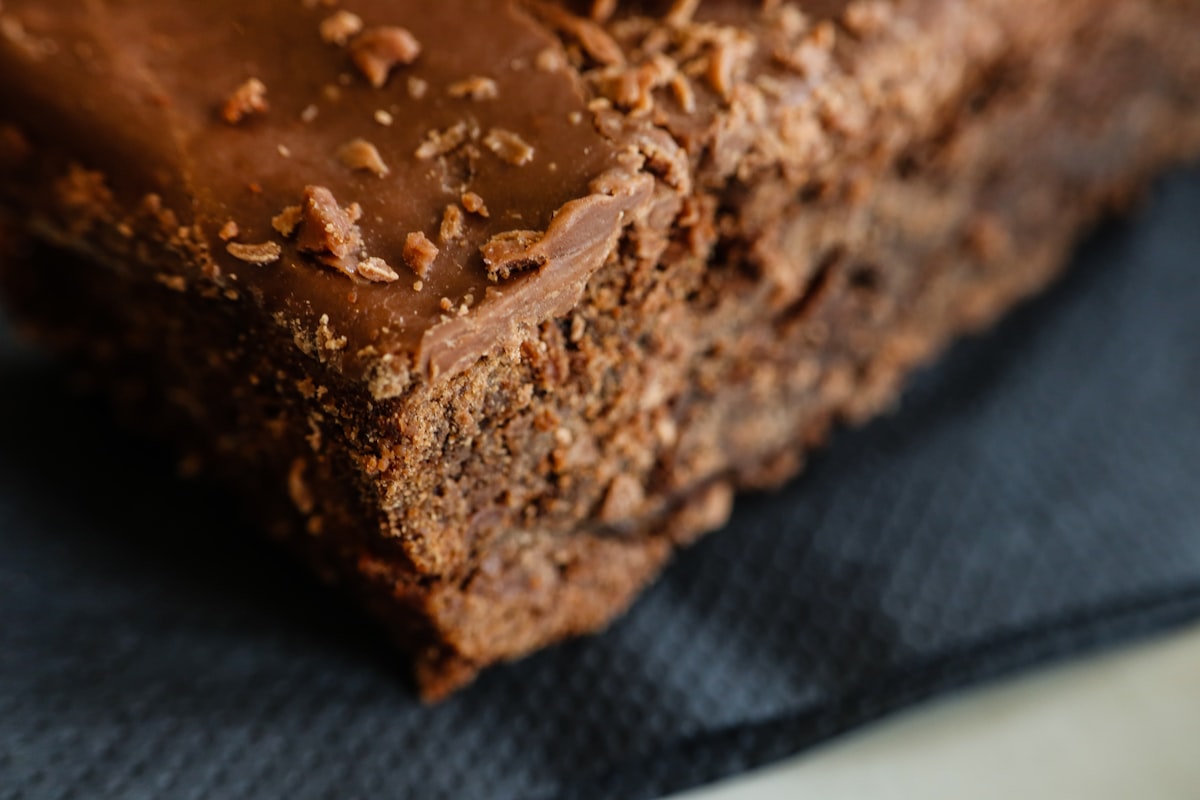
The Most Important Brownie Decision You'll Ever Make
If you've ever baked brownies from two different recipes and been puzzled by how dramatically different the results were — one dense and fudgy, one light and cakey — you've encountered the central variable of brownie science: the ratio of fat to flour.
This is not a small difference. A fudgy brownie and a cakey brownie are genuinely different products. The good news is that once you understand what controls texture, you can dial it in precisely. At Bournemouth Brownie Company, we've spent years refining our recipes for consistently, deeply fudgy results — here's what we've learned.
The Core Science: What Controls Brownie Texture
1. The Fat-to-Flour Ratio
This is the primary variable. More fat (from butter and chocolate) relative to flour produces a denser, fudgier brownie. More flour relative to fat produces a lighter, cakier brownie.
The reason: flour contains gluten-forming proteins. When flour is hydrated and mixed, gluten networks form, providing structure and a more bread-like, open crumb. Increase the flour and you get more gluten, more structure, more air pockets — a cakier texture.
Fat, conversely, inhibits gluten formation. It coats the flour proteins before they can form gluten networks, resulting in a shorter, denser, more tender crumb.
For maximum fudginess: use more fat, less flour.
2. Cocoa Powder vs Melted Chocolate
The form your chocolate takes matters significantly:
- Cocoa powder contributes chocolate flavour but is dry — it increases the effective flour content of the recipe, pushing texture towards cakey
- Melted chocolate (especially high-fat couverture like our Callebaut Belgian chocolate) contributes chocolate flavour and fat — pushing texture towards fudgy
Most fudgy brownie recipes use melted chocolate rather than (or in addition to) cocoa powder.
3. The Number of Eggs
Eggs provide both structure (from proteins) and fat (from yolks). More eggs = more structure = slightly cakier texture. Fewer eggs = less structure = fudgier texture.
Some recipes use just yolks rather than whole eggs for maximum fudginess. The yolks provide fat and emulsification without the additional protein set of the whites.
4. Leavening (or Its Absence)
Most cakey brownie recipes include baking powder — this creates CO2 bubbles that expand during baking, aerating the batter and creating a lighter texture. Fudgy brownies typically include no leavening, or minimal amounts. The batter should stay dense.
5. Baking Temperature and Time
Even a perfectly formulated fudgy brownie batter can become cakey if overbaked. The key is pulling the brownies from the oven while the centre still has a slight wobble — they will set as they cool to a fudgy, dense consistency. Overbaking drives out moisture and collapses the fat structure that creates fudginess.
The Role of Sugar
Sugar affects both flavour and texture. Dissolved sugar in brownies retains moisture during and after baking, contributing to fudginess. Recipes with higher sugar content (relative to flour) tend to produce moister, fudgier results. Brown sugar adds additional moisture and a slight caramel note.
Our Recipe Philosophy
At Bournemouth Brownie Company, every recipe decision is made in service of maximum fudginess:
- Callebaut couverture for high fat content
- Free-range eggs (richer yolks, better emulsification)
- Minimal flour
- No chemical leavening
- Careful baking time with intentional underbaking
The result is the dense, deeply chocolatey brownie that our customers recognise — and that keeps them coming back.
Shop our brownies for delivery from Bournemouth, Dorset, to anywhere in the UK. Or try our build your own box to sample the full range of fudgy perfection.